

So, you're curious about how much underground DJs get paid, right? It's not always a straightforward answer, and honestly, it varies a ton. Think of it like asking how much a musician makes – it could be anything from playing for free at a friend's party to headlining a massive festival. We're going to break down what you can expect, from those first gigs to potentially making a real living from spinning tunes. It's a journey, for sure, and understanding the different paths can really help you figure out your own.
Key Takeaways
- Beginner DJs often start with little to no pay, focusing on gaining experience and building a name. Some might earn around $50 per hour initially.
- As you get better and can read a crowd well, your hourly rate can increase, potentially reaching $100 per hour or more.
- Building a strong personal brand and a dedicated fanbase is key to commanding higher fees, as you can bring more people to an event.
- Different types of gigs pay differently; club residencies might offer a steady but lower rate, while corporate events or international festivals can pay significantly more.
- Successful DJs often diversify their income beyond live sets through music production, endorsements, merchandise, and digital content creation.
Understanding DJ Earnings: A Broad Overview
The Evolving Landscape of DJ Pay
So, you're curious about how much DJs actually make, especially those playing the underground scene? It's a question a lot of aspiring DJs ask, and honestly, the answer isn't a simple number. The world of DJing has changed a ton over the years. What used to be just a hobby for music lovers has turned into a real career path for many, with earnings that can range from pocket money to serious income. The amount you can earn really depends on a bunch of different things. It's not just about knowing how to mix tracks; it's about building a name for yourself and understanding the business side of things.
Factors Influencing How Much Underground DJs Get Paid
When you're starting out in the underground scene, your paychecks might not be huge, and that's totally normal. Several factors play a big role in what you can expect to earn. Think about:
- Experience Level: Are you just starting, or have you been spinning for a while?
- Gig Type: Playing a small local bar is different from a well-known underground club.
- Location: Big cities often have more opportunities and higher pay rates.
- Reputation: How well-known are you in the local scene? Do people come specifically to see you?
- Your Music: Are you playing popular tracks, or are you known for a unique, niche sound?
It's a bit like any other job – the more skilled and in-demand you are, the more you can charge. For many, the early days are about gaining experience and building a following, even if the pay isn't great. You might even play some gigs for free or just for the experience, which is a common way to get your foot in the door. Think of it as an investment in your future career. You can find some interesting stories about people's journeys in the music world on podcasts like Stories with Rusty.
From Hobby to Profession: The Financial Journey
Transitioning from a hobby DJ to someone who earns a living from it takes time and effort. Initially, you might be playing for friends' parties or small local events, often for little to no pay. This is where you hone your skills, learn how to read a crowd, and start building a network. As you get better and more people know your name, you'll start getting paid gigs. These might be regular slots at smaller clubs or events. The key is to keep pushing, keep playing, and keep improving. It’s a gradual climb, and understanding these early stages is important for setting realistic expectations about your income as an underground DJ.
Starting Out: What Beginner DJs Can Expect
So, you're just starting out as a DJ and wondering what kind of money you can actually make? It's a fair question, and the honest answer is: probably not a lot at first. Think of it like learning any new skill – you wouldn't expect to be a master chef after your first attempt at boiling an egg, right? DJing is similar. Your initial focus should be on getting experience and honing your craft, not on getting rich quick.
Initial Pay Rates for New DJs
When you're just beginning, most of your gigs will likely be for little to no pay. This isn't a sign that you're not good enough; it's just how the industry works. Promoters and venue owners often need to see that you can handle a crowd and keep the energy up before they're willing to pay you. You might get paid in exposure, free drinks, or a small token amount. Don't get discouraged by low pay; see it as an investment in your future career.
Here's a rough idea of what you might encounter:
- Free Gigs: Playing for friends' parties, student events, or community gatherings. This is all about practice and building your name.
- Low-Pay Gigs: You might get $50-$100 for a few hours of work at a small bar or a local event. This is more common once you've played a few free gigs and have some basic experience.
- Barter/Trade: Sometimes you might trade your DJ services for something else, like studio time or equipment.
Gaining Experience Through Low-Cost or Free Gigs
This is where the real learning happens. You need to get in front of people, read the room, and learn how to transition between tracks smoothly. Think about all the opportunities you can find:
- House Parties & Gatherings: Offer to DJ for friends' birthdays, anniversaries, or just casual get-togethers. It's a low-pressure environment to test out your skills.
- Student Events: University and college campuses often have events that need DJs. Reach out to student clubs or organizations.
- Community Events: Local festivals, charity events, or neighborhood block parties can be great places to get your name out there.
- Open Decks Nights: Many clubs have nights where aspiring DJs can sign up for a short set. This is a fantastic way to practice on a real sound system and get noticed.
The key here is to be proactive. Don't wait for gigs to come to you. Reach out to people, offer your services, and be willing to put in the work even when the pay isn't great. Every set you play is a building block.
Building a Foundation for Future Earnings
Your early experiences are about more than just playing music. You're building a reputation, making connections, and figuring out what kind of DJ you want to be. Keep track of every gig you do, even the free ones. Get photos or videos if you can, and ask people for feedback. This information will be invaluable when you start approaching venues that do pay. Remember, the DJ world often relies on who you know and the quality of your past work. So, even if you're not earning much now, you're laying the groundwork for when those bigger, better-paying opportunities come your way.
The Impact of Experience and Skill on DJ Fees
Moving Beyond Entry-Level Pay
So, you've played a few gigs, maybe even for free, and you're starting to get the hang of it. That's awesome! But if you're looking to turn this passion into a more serious income stream, you'll notice that your pay rate starts to shift as you gain more experience and hone your skills. It's not just about showing up and playing music anymore; it's about what you bring to the table.
The Value of Reading the Crowd and Creating Atmosphere
This is where the real magic happens. A DJ who can read the room is worth their weight in gold. It means you can sense the energy of the crowd, understand what they want to hear, and seamlessly transition between tracks to keep them dancing all night long. It's about more than just technical skill; it's about intuition and connection. When you can create an unforgettable atmosphere, people notice, and venues are willing to pay more for that talent.
Think about it: a beginner might play a good set, but an experienced DJ can turn a regular night into an event people talk about for weeks. This ability to curate the vibe, build energy, and make people feel something is a skill that develops over time and with lots of practice. It’s what separates someone who just plays music from someone who truly commands the dance floor.
Hourly Rates vs. Gig Fees for Experienced DJs
As you move up, you'll see a shift in how you're paid. While some might still offer hourly rates, many experienced DJs start charging a flat fee per gig. This makes sense because your value isn't just tied to the number of hours you're physically behind the decks, but the entire experience you provide. Your reputation, your ability to draw a crowd, and the atmosphere you create all factor into that fee.
Here’s a rough idea of how pay can increase:
- Beginner DJ: Might start around $50-$100 per hour or a small flat fee for a few hours.
- Intermediate DJ (with a few years of experience): Could command $100-$250 per hour or a gig fee of $300-$700.
- Experienced/In-Demand DJ: Fees can jump significantly, often ranging from $500 to $2,000+ per gig, depending on the event type and your draw.
Remember, these are just general figures. The actual amount you can charge is heavily influenced by your specific skills, the type of events you play, and how well-known you are in your local scene or beyond. Building a strong reputation for reliability and skill is key to moving into these higher pay brackets.
Building Your Brand and Fanbase: Key to Higher Pay
How Influence and Fanbase Drive DJ Income
Think about it: people come to events to hear music they like and to feel a connection with the performer. As a DJ, the more people who know and like your sound, the more valuable you become to venues and promoters. It's not just about your technical skills on the decks anymore; it's about the whole package. Your brand and your fans are your biggest assets. When you've built a solid following, you can start commanding higher fees because you're essentially bringing your audience with you. Venues see this as a direct way to increase their own attendance and revenue. It’s a win-win: you get paid more, and they get a fuller house.
The Role of Branding in Attracting Bigger Gigs
Your brand is more than just a cool logo or a catchy name. It's the overall vibe you put out there – your music selection, your style, how you interact with people online and offline. Are you the go-to DJ for deep house nights? Do you bring a high-energy, party-starting atmosphere? Defining this helps people know what to expect and makes you memorable. When promoters are looking for a DJ, they often think of who fits their event's theme. A strong, consistent brand makes you the obvious choice for bigger, more specific gigs. It also helps you stand out from the crowd, especially when there are many talented DJs out there.
Turning a Following into Financial Success
So, how do you actually turn those likes, shares, and follows into cash? It starts with consistently putting out great music and content. Share your mixes, post about upcoming gigs, and engage with your followers. This builds loyalty. Once you have a dedicated fanbase, you can start exploring different ways to get paid:
- Direct Bookings: As your name grows, venues and event organizers will reach out to you directly. This is where you have more power to negotiate your rates.
- Paid-by-Performance Gigs: Some promoters might offer you a cut based on how many people you bring through the door. If you know you can draw a crowd, this can be very lucrative.
- Residencies: Securing a regular spot at a club or bar provides a steady income stream and keeps you visible.
- Online Content: Platforms like YouTube can generate ad revenue if your DJ-related videos get enough views. You could also sell sample packs or offer online DJ courses.
Building a brand and a fanbase isn't an overnight process. It takes time, consistent effort, and a genuine connection with your audience. Think of it as cultivating a garden; you need to water it regularly and give it the right conditions to grow. The more you invest in your presence and your community, the more rewarding the financial returns will be.
Here's a rough idea of how your earning potential can grow:
| Stage of Career | Typical Gig Type | Potential Earning per Gig | Notes |
|---|---|---|---|
| Beginner | Local bars, small parties | $50 - $150 | Focus on experience and exposure |
| Intermediate | Larger clubs, private events | $200 - $500 | Established local following, good crowd reading |
| Advanced | Festivals, corporate events, guest spots | $500 - $2,000+ | Strong brand recognition, significant fanbase |
| Superstar | Major festivals, international tours | $10,000 - $100,000+ | Global recognition, massive influence |
Different Types of DJ Gigs and Their Pay Scales
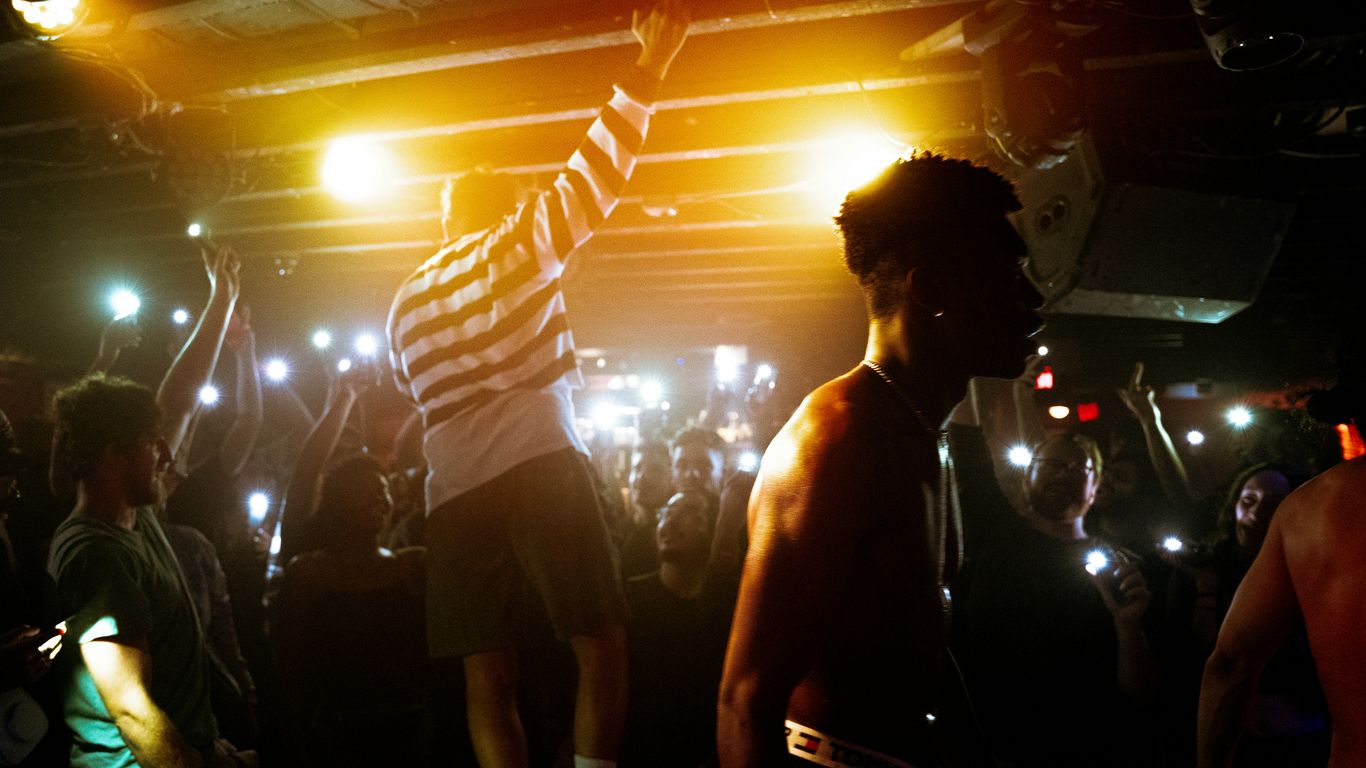
So, you're spinning tunes and thinking about how to turn that passion into some real cash. It's not just about playing music; it's about understanding where the money is and what kind of gigs pay what. Different events have wildly different budgets, and knowing this can help you aim for the right opportunities.
Club Residencies and Their Typical Fees
Club residencies used to be the bread and butter for many DJs. This means you're the regular DJ at a specific club, often playing the same night each week. It's a stable gig, and while the per-night pay might not be astronomical, the consistency is a big plus. For a resident DJ in a smaller club or a less busy night, you might be looking at anywhere from $100 to $300 per set. Bigger clubs in major cities, especially on prime nights, could bump that up to $500 or even more. The real benefit here is the steady income and the chance to really hone your craft with a regular crowd.
Corporate Events and Private Parties
This is where things can get really interesting financially. Corporate events, weddings, and big private parties often have much larger budgets than your average club night. You're not just playing music; you're providing an atmosphere, often for a specific audience or event theme. For these types of gigs, you can expect to charge anywhere from $300 for a smaller, less formal party to $1,000 or even $2,500+ for a high-end corporate function or a wedding. Many mobile DJs in this space charge an hourly rate, often starting around $100-$150 per hour, especially if you're providing your own sound system and lighting. These gigs are fantastic for building your reputation and your bank account.
The Potential of International and Festival Appearances
Now we're talking about the big leagues. Playing at international festivals or high-profile events can be incredibly lucrative. These gigs often come with significant travel and accommodation expenses covered, on top of a hefty performance fee. For a well-known DJ, a festival set could earn anywhere from $5,000 to $50,000 or even more, depending on their status and the festival's scale. Even smaller international gigs or appearances on "party islands" during peak season can offer daily rates that add up quickly, sometimes reaching $200-$300 a day, and in places like Ibiza, that can double. These are the gigs that often require a strong brand and a significant following, but the payoff can be huge.
Here's a rough idea of what you might expect:
| Gig Type | Typical Pay Range (USD) | Notes |
|---|---|---|
| Local Club Residency | $100 - $500 per night | Varies by club size and night of the week |
| Private Party/Wedding | $300 - $1,000+ per event | Often includes setup/teardown, travel |
| Corporate Event | $500 - $2,500+ per event | Higher budgets, often requires more polish |
| Small Festival/Tour | $1,000 - $10,000+ per gig | Depends on DJ's profile and festival size |
| Major Festival/Headliner | $10,000 - $50,000+ per gig | Requires established fame and fanbase |
Remember, these are just general guidelines. Your actual pay will depend on your experience, your reputation, the specific demands of the gig, and your ability to negotiate. Don't be afraid to ask for what you're worth, especially as you gain more experience and build your brand.
Beyond the Booth: Additional Income Streams for DJs
So, you're getting paid to spin tunes, which is awesome! But what if you want to make even more money, or just have a backup plan in case gigs dry up? Turns out, being a DJ opens doors to a bunch of other ways to earn cash. It's not just about playing music at parties anymore.
Music Production and Royalties
Ever thought about making your own tracks? If you've got a knack for producing music, this can be a huge income source. When you release your own songs, you can earn money from streaming services like Spotify and Apple Music. Plus, every time your music is played on the radio or used in a film, you can get paid royalties. It takes time and effort to learn music production, but the payoff can be significant. Think of it as another way to express your sound and get paid for it.
Brand Endorsements and Sponsorships
As you build your DJ profile and gain a following, brands might start noticing you. Companies that make headphones, DJ equipment, or even clothing might want to partner with you. This could mean getting free gear, or even getting paid to promote their products. Building a strong online presence is key here, as brands want to see that you have an audience that trusts your recommendations. It's like being a mini-celebrity for your niche.
Merchandising and Digital Content Creation
Got a cool logo or a catchy phrase associated with your DJ name? You can put that on t-shirts, hats, or stickers and sell them to your fans. Merch can be a great way to connect with your audience and make some extra cash. Beyond physical items, think about digital content. You could create sample packs for other producers, offer online DJ courses, or even run a Patreon page where fans pay a monthly fee for exclusive mixes, behind-the-scenes content, or early access to your music. It’s all about giving your fans more of what they love.
Here's a quick look at how these can add up:
- Merchandise: Selling branded items like t-shirts, hats, and stickers.
- Digital Products: Creating and selling sample packs, presets, or even sample mixes.
- Online Courses: Teaching aspiring DJs your techniques and industry knowledge.
- Fan Subscriptions: Platforms like Patreon for exclusive content and community.
Diversifying your income streams means you're not putting all your eggs in one basket. It creates a more stable career, allowing you to focus on the music you love without constantly worrying about the next gig.
Strategies for Maximizing Your DJ Earnings
So, you're spinning tracks and loving it, but how do you turn that passion into a solid income? It's not just about playing music; it's about being smart with your career. Think of yourself as a small business owner. You've got a product – your DJ skills and unique sound – and you need to market it effectively. Let's break down some ways you can really boost what you're bringing home.
Developing a Strong Online Presence
In today's world, your online game is super important. It's how people find you, see what you're about, and decide if they want to book you. You need to be active on platforms where your potential fans and clients hang out. Think Instagram, TikTok, YouTube, SoundCloud – wherever makes sense for your style.
- Post regularly: Share clips of your sets, behind-the-scenes stuff, and your personality. People connect with real people.
- Engage with your followers: Respond to comments, run polls, and make them feel like part of your journey.
- High-quality content: Use good lighting and clear audio for your videos. It makes a big difference.
Your online presence is your digital storefront. Make it look good, keep it updated, and let people know what makes you special.
Networking and Building Relationships
This is huge. The DJ world can feel small, and knowing the right people can open so many doors. Don't just think about who you can get something from; think about building genuine connections.
- Go to events: Show up at clubs, festivals, and industry meetups. Introduce yourself to promoters, other DJs, and venue owners.
- Collaborate: Work with other artists, producers, or even visual artists. This can expose you to new audiences.
- Be reliable and professional: If you say you'll do something, do it. Show up on time, be easy to work with, and people will want to work with you again.
Diversifying Your Services and Income
Don't put all your eggs in one basket. Playing gigs is great, but there are other ways to make money using your skills and brand.
- Music Production: If you make your own tracks, you can earn royalties from streaming services and sales. Even sample packs can be a good seller.
- Merchandise: Once you have a following, selling t-shirts, hats, or other branded items can be a nice little earner.
- Teaching: Offer DJ lessons or workshops. You've learned a lot, and others want to learn from you.
- Custom Sets: Some people might pay for a specially curated mix for an event, like a wedding or a workout playlist, even if they can't afford a live DJ.
Think about what else you're good at related to music and DJing. Can you host a podcast? Create content for YouTube? The more ways you can offer value, the more income streams you can build.
So, What's the Takeaway?
Alright, so you've seen that how much a DJ gets paid can really swing from almost nothing to some seriously big numbers. It's not just about knowing how to mix tunes; it's about building yourself up. Think of it like this: starting out, you might play for free or for a small fee just to get your name out there and get some practice. As you get better and people start to notice, you can start charging more. The real money comes when you're not just a DJ, but a brand. When you have a solid fan base that shows up for you, venues see you as a way to bring in more people, and that's when you can really command higher fees. It takes time, hard work, and a lot of dedication to your craft and your fans, but it's definitely possible to make a good living, and even a fortune, doing what you love.
Frequently Asked Questions
How much do beginner DJs usually get paid?
When you're just starting out as a DJ, you might not get paid much, or even play for free sometimes. Think about playing at friend's parties or small local spots. You could expect to make around $50 per hour. It's all about getting experience and building your name at this stage.
What makes a DJ earn more money?
As you get better and play more, your pay goes up. Being able to read a crowd and create a great vibe is super important. If you have a big following of fans who love your music and want to see you play, venues will pay you more because you help bring in more people.
How do club residencies pay DJs?
If you become a resident DJ at a club, meaning you play there regularly, you can expect to earn somewhere between $150 to $250 per night. Sometimes, you might play multiple nights a week, especially during busy times, which helps make your income steadier.
Can DJs make money from things other than playing gigs?
Absolutely! Many DJs make extra money by producing their own music, which can earn them royalties. Others get paid for brand deals and sponsorships, sell their own merchandise like t-shirts, or create content for platforms like YouTube and social media.
How much do famous DJs earn?
Superstar DJs can earn a lot of money, sometimes tens of thousands of dollars for just one performance. Top DJs who are known worldwide can even make millions each year from playing big shows, releasing hit songs, and through endorsements and other business ventures.
What's the best way to increase your DJ earnings?
To earn more as a DJ, focus on building a strong online presence and connecting with people. Go to events, meet other DJs and promoters, and always try to improve your skills. Diversifying your income streams, like making music or selling merch, can also really help boost your earnings.