

Ever wonder how DJs pick the next song? It's not just random guessing. There's a whole process behind how DJs choose their tracks, blending preparation with reading the room. You might think it's all about having a massive music library, but it's more about knowing what you have and how to use it. Let's break down how DJs make those choices that keep the dance floor moving.
Key Takeaways
- Organize your music by energy, vibe, and genre using playlists so you can find tracks quickly when you need them.
- Before a gig, learn about the crowd and the venue, and pack more music than you think you'll need.
- Pay attention to how the crowd is reacting and trust your gut feeling when picking the next track.
- Mix songs that have similar BPM, genre, or key, or use similar rhythms and instruments to keep the flow going.
- Balance well-known hits with lesser-known gems and practice transitions to build a dynamic set that tells a story.
Understanding Your Music Collection
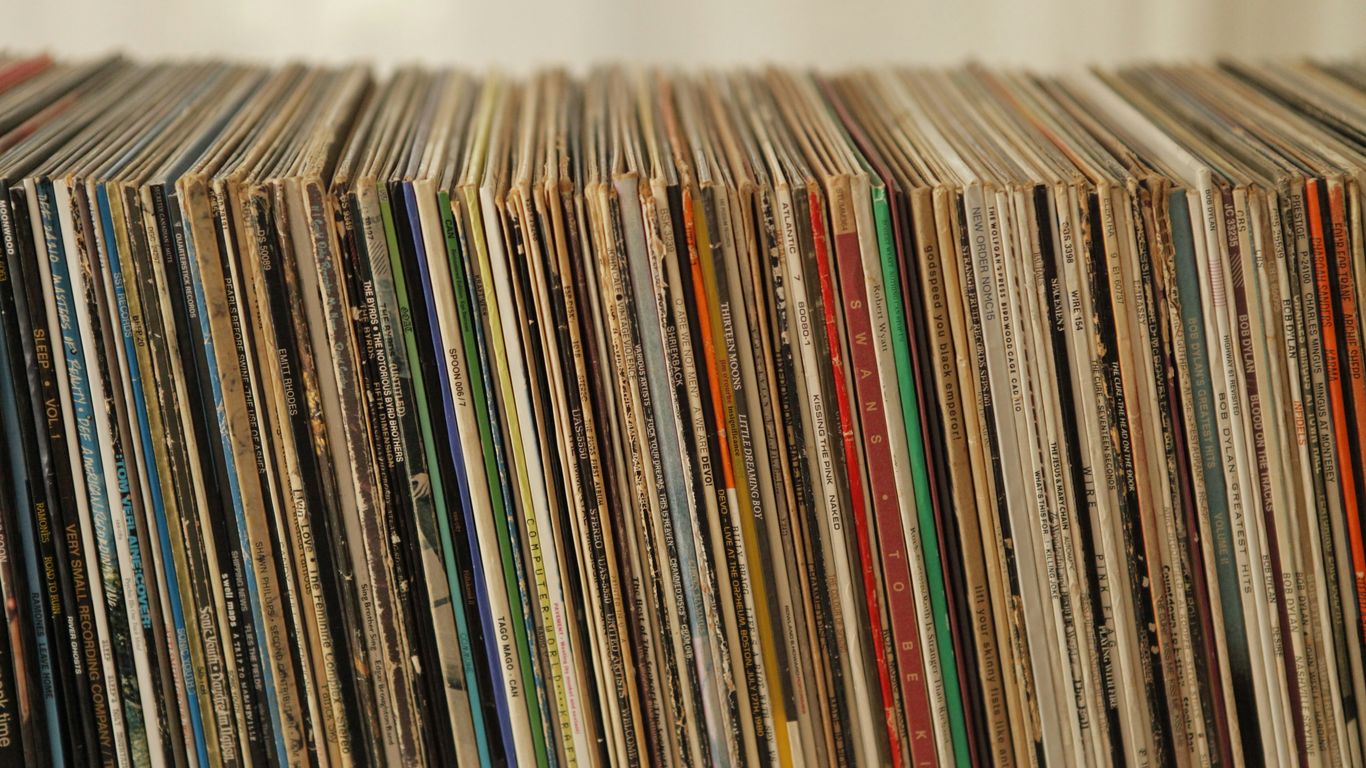
Before you even think about hitting the decks, you need to get to know your music library. It might seem like a lot of work, but trust me, it makes everything else so much easier. Think of it like a chef organizing their pantry – you wouldn't want to be scrambling for ingredients mid-service, right? The same goes for DJing.
Organizing Tracks by Energy and Vibe
This is where you start to get a feel for your tunes beyond just the genre. How does a track feel? Does it make you want to jump around, or does it create a more chill, head-nodding atmosphere? You can start by thinking about the general energy level. Is it a high-energy banger perfect for peak time, or a mellow track for warming up the crowd? Then, consider the vibe. Is it dark and intense, or bright and melodic? Assigning these qualities to your tracks helps you build sets that flow naturally.
Here's a simple way to think about it:
- High Energy: Tracks that get people moving, often with a strong beat and driving rhythm.
- Medium Energy: Tracks that maintain momentum but might be a bit more groovy or less intense than high-energy ones.
- Low Energy: Tracks for warming up, cooling down, or creating a more introspective mood.
- Vibe - Dark: Think moody, intense, perhaps a bit mysterious. Good for building tension.
- Vibe - Melodic: Tracks with clear melodies, often uplifting or emotional.
Creating Intelligent Playlists for Easy Access
Once you've got a handle on energy and vibe, it's time to put that knowledge to work with playlists. Don't just dump all your tracks into one giant folder! Use your DJ software (like Rekordbox, Serato, or Traktor) to create smart playlists. You can set up rules so that tracks automatically get sorted based on the tags you've assigned. For example, you could have a playlist for "Peak Time - Dark Techno" or "Warm-up - Melodic House." This makes finding the right track in the heat of the moment incredibly fast.
Think about creating a few core playlists:
- Warm-up: Generally lower energy, good for setting the mood.
- Peak Time: High-energy tracks to get the dance floor going.
- Cool Down: Tracks to bring the energy back down gently.
- Genre-Specific: If you play multiple genres, having separate playlists can be helpful.
- Requests/All-Rounders: A place for those crowd-pleasers or tracks you know work in almost any situation.
The Importance of Knowing Your Music Inside Out
This might sound obvious, but it's worth repeating: you need to really know your music. Listen to your tracks. Pay attention to the intro, the outro, the breakdown, and any vocal parts. What makes a track unique? How does it build? Knowing these details helps you make better mixing decisions and spot opportunities to play something unexpected that still fits. It's not just about knowing the BPM; it's about understanding the soul of each song. Spend time with your library, listen actively, and you'll start to hear connections you never noticed before.
Preparing for the Gig
So, you've got a gig lined up. Awesome! But before you even think about hitting the decks, there's some homework you absolutely need to do. It might not sound as exciting as mixing tunes, but trust me, this is where the magic really starts to happen. Being prepared is what makes you look like you know exactly what you're doing, even if your stomach is doing flips.
Researching the Crowd and Venue
Think of yourself as a detective. Your mission? To figure out who's going to be there and what kind of place you're playing in. Are you at a chill bar, a packed club, or a private party? What kind of music do people usually dig in that spot? If you can, swing by the venue beforehand. Just watching people and soaking in the atmosphere can give you tons of clues. Knowing your audience is half the battle. For example, a wedding crowd is going to be way different from a late-night techno club. You want to play music that fits the vibe of the night, not something that clashes.
Packing More Music Than You'll Need
This is a big one. Never, ever just pack the exact number of tracks you think you'll play. It's like packing for a trip and only bringing one change of clothes. You need options! A good rule of thumb is to pack about twice as much music as you expect to use. So, if you think you'll play 40 tracks in a two-hour set, aim to have around 80 ready to go. This way, you're not frantically digging through your entire library when you should be focused on the dance floor. Having a curated selection ready means you can react to the crowd without breaking a sweat. You can find some great resources for organizing your music library to make this easier here.
Understanding Your Role in the Night
What's your job description for this gig? Are you the warm-up DJ, setting the mood before the main act? Are you playing during the peak hours when everyone's going wild? Or maybe you're in a different room with a specific sound? Your role totally dictates the kind of music you should be playing. A warm-up set needs to build energy gradually, while a peak-time set can be more high-energy. Knowing this helps you select tracks that fit the overall flow of the event. It's not just about playing your favorite songs; it's about contributing to the night's success.
Preparation isn't just about having the right tracks; it's about understanding the context. It's about knowing who you're playing for and what kind of journey you're taking them on. This foresight allows you to be flexible and responsive, making you a much better DJ.
Here's a quick checklist to keep in mind:
- Know the venue: What's the atmosphere like? What sound system do they have?
- Know the crowd: Age range? Musical tastes? What's the occasion?
- Know your role: Warm-up, peak time, closing? What's expected?
- Pack extra: Aim for double the tracks you think you'll need.
- Have backup options: Think about different genres or energy levels you might need.
Choosing Tracks in the Moment
So, you've got your music organized, you've prepped for the gig, and now you're actually behind the decks. What happens when you need to pick the next song, right now? It's not always about having a perfect, pre-made setlist. Sometimes, you just gotta feel it out. This is where your DJ instincts really come into play.
Reading the Crowd's Reaction
This is probably the biggest clue you'll get. Watch the dance floor. Are people nodding their heads? Are they jumping? Or are they looking a bit bored, maybe checking their phones? If a track is really getting them going, you want to keep that energy up. If it's falling flat, it's time to switch gears. Pay attention to the vibe – is it high-energy and wild, or more chill and groovy? Your music choices should match what the crowd is feeling.
Trusting Your Instincts
Don't overthink it too much. Often, you'll have a gut feeling about what track should come next. Maybe you just heard a snippet in your head, or you remember a track that worked really well at a similar point in a past set. Go with that first thought. It's usually right. You've spent time getting to know your music, so let that knowledge guide you. It's like knowing which tool to grab for a specific job – you just know.
Playing What You Know Works
This is where your preparation pays off, even when you're choosing on the fly. Think about:
- Tracks you've practiced mixing together: If you know two tracks flow perfectly, they're a safe bet for keeping the energy consistent.
- "Mini-playlists" or "flow packs": Remember those groups of tracks you put together because they just sound good one after another? Pull one of those out.
- Past successful moments: Did a certain track or a specific transition really get the crowd hyped up last time? Recreate that magic if the moment feels right.
Sometimes, the best track to play next isn't the one that's technically perfect or the most obscure. It's the one that you know, deep down, will keep the dance floor moving and the good times rolling. It's about connection, not just technical skill.
Mastering Musical Transitions
Making smooth transitions between songs is what separates a good DJ from a great one. It’s not just about playing one track after another; it’s about creating a continuous flow that keeps the energy on the dancefloor just right. Think of it like telling a story with your music – each track is a sentence, and the transition is how you connect them so the narrative makes sense.
Matching BPM, Genre, and Key
When you're starting out, focusing on a few key elements can make your transitions much easier. The most common things to look at are the Beats Per Minute (BPM), the genre, and the musical key of the tracks.
- BPM: This is the tempo, or speed, of the music. Mixing two tracks with similar BPMs makes it easier to keep the rhythm consistent. You can often get away with a slight difference, especially if you're just starting.
- Genre: Sticking to the same genre, or closely related ones, usually means the tracks will have a similar feel and structure, making them blend well.
- Key: This is a bit more advanced, but mixing tracks in the same or compatible musical keys can make the mix sound really pleasing to the ear. It’s not always necessary, especially if you're just playing drum loops, but it can add a nice touch.
Using Similar Rhythms and Instruments
Beyond the technical stuff, you can also use the actual sound of the music to help you connect tracks. Listen for elements that are alike between the outgoing and incoming songs.
- Rhythm: Do both tracks have a similar drum pattern or a driving beat? This can be a great way to link them.
- Instruments: Sometimes, a track might have a distinctive piano riff, a saxophone solo, or a specific synth sound. If the next track has a similar instrument or even a similar type of sound, it can create a cool connection.
- Vocals: Even the style of vocals can be a link. If you're playing a track with a soulful male vocal, you might transition into another track with a similar vocal style.
Alternating Vocals and Instrumentals
A simple but effective technique is to play with vocal and instrumental tracks. If you've just played a song with a strong vocal, switching to an instrumental can give the dancers a different kind of energy to focus on. Conversely, if the floor is getting a bit too relaxed with instrumentals, dropping in a track with vocals can re-engage them. It’s a way to keep things interesting without drastically changing the vibe. This back-and-forth keeps the set dynamic.
Don't get too caught up in making every single transition perfect. Sometimes, a quick cut or a simple fade is all you need. The most important thing is that the energy feels right for the crowd at that moment. If a transition isn't perfect, just keep going and focus on the next one. Practice is key to getting better at this, so don't be afraid to experiment with different techniques. You can find great resources for improving your DJ skills.
Building a Dynamic Setlist
So, you've got your music sorted, you know how to mix, and you're ready to put it all together. Now, let's talk about crafting a setlist that keeps people moving. It's not just about playing a bunch of songs; it's about creating an experience, a journey for the dance floor. Think of it like telling a story, but with beats and basslines.
Balancing Familiar and New Tracks
This is a tricky one, but super important. You want to play those tracks everyone knows and loves, the ones that get a big reaction. But you also need to introduce new sounds, keep things fresh, and show off your own taste. A good rule of thumb is to mix it up. Maybe start with something familiar to get people comfortable, then drop in a newer track that has a similar vibe. You don't want to play too many brand new tunes in a row, or people might check out. On the flip side, playing only old hits can get predictable.
- Aim for a balance: Try a ratio like 70% familiar, 30% new, or adjust based on the crowd. You can always test out new tracks in smaller gigs.
- Read the room: If a new track is killing it, play more like it. If it's falling flat, switch back to safer bets.
- Use your "prepare" crate: This is a digital space where you can quickly stash tracks you're thinking of playing soon. It's like having a few records pulled out of your box, ready to go.
Creating Mini Playlists for Seamless Flow
Instead of thinking about every single track, break your set down into smaller chunks. These are like mini-sets, usually two to three songs long, that you know work really well together. You can build your whole set by transitioning between these "mini-lists." This takes a lot of the pressure off trying to pick the next song on the fly. It's a great way to ensure smooth transitions and keep the energy flowing. You can even practice these mini-playlists at home. This approach helps you organize your music collection efficiently.
Telling a Story with Your Music
Every DJ set should have a narrative arc. Think about the energy levels throughout the night. You probably don't want to start at 100% intensity. Instead, build up gradually. You might start with something mellow to warm things up, move into more energetic tracks as the night progresses, hit a peak, and then maybe bring it down a bit towards the end, or keep the energy high depending on the vibe. Consider the different moods you want to create. Are you going for a high-energy dance party, a more chilled-out lounge vibe, or something in between? Planning this arc helps you select tracks that fit each stage of the night.
A well-structured setlist feels intentional. It guides the audience through different emotions and energy levels, making the entire experience more engaging and memorable. It's about more than just playing good songs; it's about presenting them in a way that makes sense and builds momentum.
Learning and Improving Your Choices
So, you've got your music sorted, you're prepped for the gig, and you're even getting the hang of picking tracks on the fly. That's awesome! But like anything, getting better at choosing tunes is a journey. It's not just about knowing your music; it's about constantly refining how you use it. Think of it like learning an instrument – practice and reflection are key.
Analyzing Past Performances
After a gig, don't just pack up and forget about it. Take a moment to think about what went down. What tracks got the crowd moving? Which ones fell flat? It sounds simple, but actually looking back at your setlist (most DJ software saves this) can tell you a lot. You might notice a pattern: maybe a certain style of track always works well after a specific warm-up song, or perhaps a particular genre just doesn't connect with that audience.
Here's a quick way to jot down some notes:
| Track Played | Crowd Reaction | Notes for Next Time |
|---|---|---|
| Song A | High Energy | Keep this in the warm-up rotation |
| Song B | Low Energy | Maybe try this earlier in the night? |
| Song C | Mixed | Consider a different transition into this one |
This kind of review helps you build a mental map of what works and what doesn't, saving you from repeating mistakes.
Practicing Transition Drills
Sometimes, the best way to get better at picking the next song is to practice how you get there. You might have a track in mind, but if you can't mix it in smoothly, it can kill the vibe. Try setting yourself little challenges. Grab a bunch of tracks, maybe 15-20, that you don't usually play together. Your goal? To make them flow. You could try mixing them in order, or pick them randomly and figure out how to connect them. This forces you to think about BPM, key, and energy levels in a more focused way than you might during a live set.
- Drill 1: Mix 20 tracks from your 'new arrivals' folder. Focus on smooth transitions, even if the genres are different.
- Drill 2: Pick 15 tracks from your 'peak time' playlist and try to create a mini-set that builds energy.
- Drill 3: Choose 10 tracks you've never mixed before and try to find a way to link them all together.
Learning from Other DJs
Watch other DJs when you get the chance. Don't just watch them to see what they play, but how they play. Pay attention to when they switch genres, how they handle a quiet dancefloor, or when they drop a big crowd-pleaser. What makes their set work? What would you do differently? Sometimes, just seeing how someone else approaches their set can spark new ideas for your own. You might even consider doing a 'collection swap' with a DJ friend – you play from their records, they play from yours. It's a great way to discover music you wouldn't normally pick up and learn new mixing tricks.
The best DJs aren't just playing songs; they're crafting an experience. By looking back at your sets, practicing your mixing, and observing others, you start to build that skill of knowing what the crowd needs, even before they do.
So, What's the Takeaway?
Picking the right track isn't just about having a huge music library. It's about knowing your music, understanding the crowd, and putting in the work beforehand. You've learned that DJs organize their music, think about the energy and flow of songs, and even prepare specific playlists for different gigs. While it might look effortless when a DJ is playing, there's a lot of thought and practice behind those seamless transitions. Don't get discouraged if it doesn't click right away. Keep practicing, keep learning from your sets, and most importantly, enjoy the process of sharing music with others. You've got this!
Frequently Asked Questions
How do you organize your music so you can find songs quickly?
You can sort your music by how energetic it feels, its mood, or how well it flows with other songs. Using music software to tag your tracks helps a lot. You can then create special playlists that automatically sort your music, making it super easy to find the perfect next song in seconds when you're playing live.
Should you plan your entire DJ set list before the gig?
While some DJs plan everything, it's usually better to have a large collection of music ready and pick songs on the spot. Planning too much can make your set not fit the crowd's energy. It's smart to have more music than you think you'll need so you can choose based on how the audience is reacting.
How do you know what song to play next when you're live?
The best way is to watch the crowd and see how they're responding. If you see them getting tired, maybe play something a bit more mellow. If they're really into it, keep the energy high! Also, trust your gut feeling – you probably already know what song will work best next.
What's the secret to smoothly switching between songs?
Try to match the speed (BPM), style (genre), and musical key of the songs. You can also use similar rhythms or instruments. Sometimes, switching between a song with singing and one without can also make the transition feel natural and keep the dance floor moving.
How do you keep the crowd interested throughout your set?
It's all about balance. Mix in popular songs that people know with less common tracks to keep things fresh. Think of your set like a story with a beginning, middle, and end. Creating small groups of songs that you know mix well together can help build a smooth flow.
How can you get better at choosing the right music?
Practice makes perfect! After you play a gig, think about which songs worked well and which didn't. You can also practice mixing different songs together on your own. Watching other DJs and seeing how crowds react to their choices is also a great way to learn.